
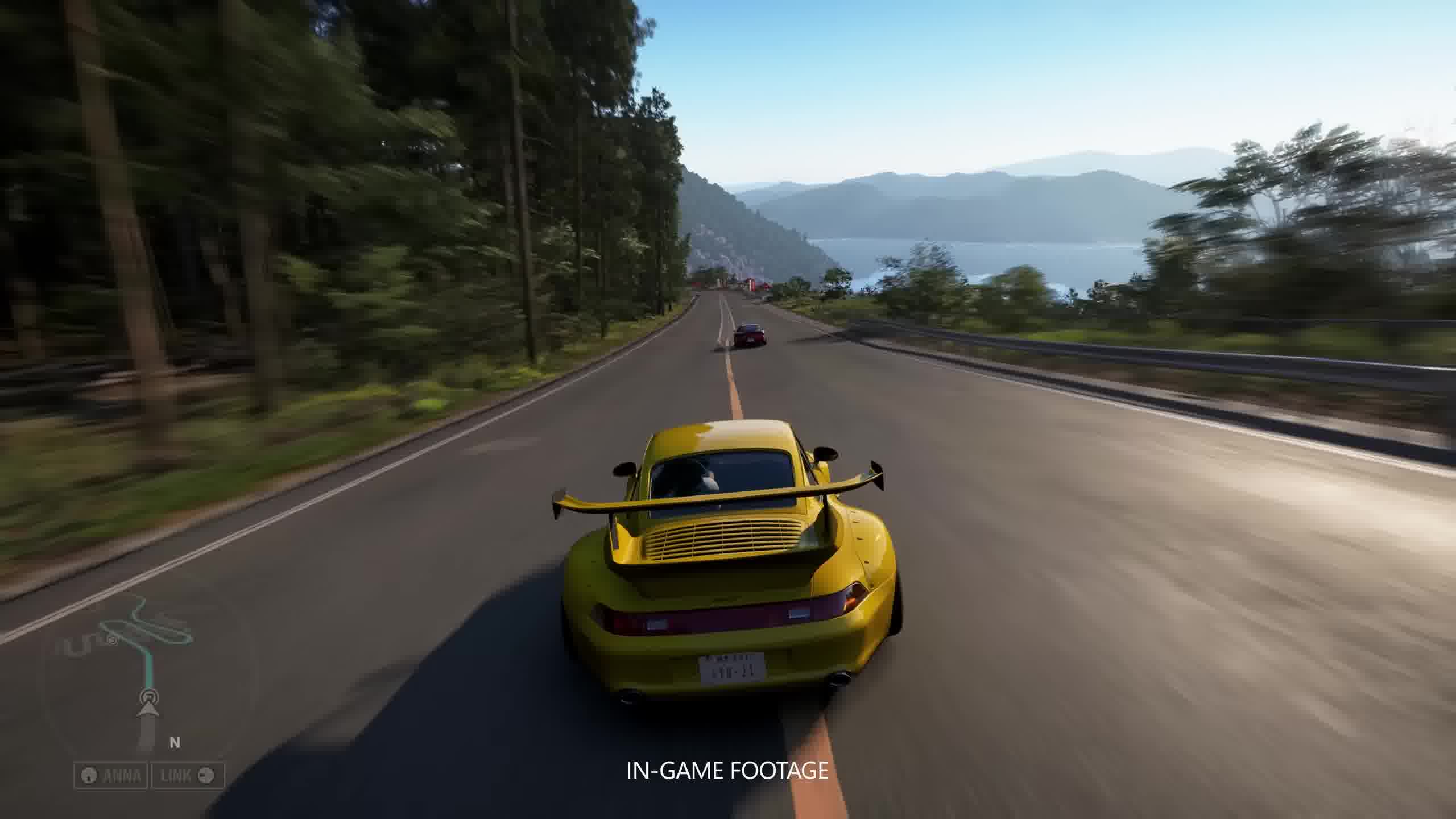
Forza Horizon 6 drops players straight into the familiar Playground Games formula—open-world chaos, deep car customization, and an even sharper focus on competitive tuning culture. What stands out immediately in this installment is how much weight has been given to time attack-style builds, aggressive aero kits, and the return of iconic Japanese performance machines reimagined for modern handling physics.
This article breaks down the core gameplay loop demonstrated in the “Lads” showcase session: car selection, tuning philosophy, time trial competition, and the emerging meta around high-downforce builds.
1. New Cars and Time Attack Focus
One of the most emphasized aspects of Forza Horizon 6 is the introduction of new-to-series vehicles, particularly in the Japanese performance category. The gameplay session highlights multiple Skyline variants and the long-awaited return of the Nissan Silvia S15, rebuilt from the ground up.
Key Vehicle Highlights
| Car Model | Category | Key Feature | Gameplay Role |
| Nissan Silvia S15 | Time Attack / Drift Hybrid | Fully rebuilt model | Baseline tuning experiment |
| Nissan Skyline R32 | AWD Street/Track | High grip platform | Competitive time trials |
| Skyline variants (R33/R34 era references) | Performance heritage | Skyline diversity | Meta comparison builds |
| Custom V10-swapped builds | Experimental | Engine swaps enabled | Power-focused time attack builds |
The standout design philosophy is clear: high-grip aero-heavy cars dominate time attack events, but creative engine swaps (like V10 conversions) are still viable for raw acceleration strategies.
2. The S15 Build Philosophy – Grip vs Chaos
The S15 segment reveals how deeply Forza Horizon 6 encourages experimentation. The base car is treated less like a starting point and more like a modular platform for extreme tuning divergence.
Build Modifiers Observed
- Wide-body kits (Origin Lab vs Liberty Walk)
- Adjustable vs non-adjustable aero trade-offs
- Tire width extremes (grip vs rotation balance)
- Engine swaps (stock I4 → high-power V10/V8 options)
- Downforce stacking for corner stability
Example Build Configuration
| Component | Choice | Effect |
| Body Kit | Liberty Walk wide body | Max downforce + stability |
| Engine Swap | V10 conversion | High horsepower (~900–1200 HP range) |
| Tires | Grippy compound (wide front) | Reduced slide risk |
| Aero | Full wing setup | Cornering dominance |
| Assist Settings | Minimal traction control | High skill ceiling |
The core tension here is simple: more grip makes the car predictable, but less entertaining; more power makes it faster but unstable under pressure.
3. Time Trial Meta – Precision Wins Over Power
The competitive segment shows that raw horsepower is not the deciding factor. Instead, consistency and checkpoint precision dominate leaderboard performance.
Time Trial Performance Snapshot
| Attempt Type | Result Range | Outcome |
| First runs | ~43 seconds | Baseline learning phase |
| Mid optimization | ~32–38 seconds | Improved line efficiency |
| Final optimized runs | ~30–31 seconds | Near leaderboard tier |
| Mistake-heavy runs | +2–6 seconds loss | Oversteer / checkpoint misses |
Despite high-power builds exceeding 1000 HP, the actual fastest laps came from controlled throttle application and stable corner exits, not maximum speed.
4. Skyline R32 Meta Shift – Balance Over Raw Power
The R32 segment demonstrates a shift toward balanced AWD tuning setups. Unlike the experimental S15 builds, the R32 becomes a stability-focused platform with tighter tuning constraints.
R32 Build Analysis
| Attribute | Outcome |
| Engine Choice | R35 swap improves acceleration ceiling |
| Handling | More predictable than S15 |
| Tire Setup | Reduced width improves rotation |
| Aero | Nismo + Rocket Bunny combinations tested |
| Result | Strong mid-tier competitive car |
However, even with optimization, tuning limitations become apparent when compared to top-tier time attack builds. This leads directly into a broader design insight:
In Forza Horizon 6, aero geometry and grip scaling matter more than raw horsepower once past a certain threshold.
5. Tuning Philosophy: Why Aero Dominates the Meta
One of the clearest takeaways from the gameplay session is that aero configuration defines competitiveness more than engine selection.
Observed Meta Priorities
- Downforce consistency > top speed
- Corner exit stability > straight-line acceleration
- Predictable handling > peak horsepower
- AWD bias in time attack builds
This explains why heavily winged, time attack-style Skylines consistently outperform higher horsepower but less stable builds.
6. Economy and Progression Pressure
As tuning complexity increases, so does the in-game resource dependency. Players frequently reference vehicle upgrades, swaps, and tuning resets as costly but necessary experimentation steps.
This is where progression systems begin to matter more—especially when optimizing multiple builds across different events.
In practice, players often look toward external optimization strategies for progression pacing, including managing resources like Forza Horizon 6 Credits to reduce downtime between build iterations and experimentation cycles.
7. Competitive Loop Summary
The Forza Horizon 6 gameplay loop, as demonstrated in the session, can be summarized as:
- Select base platform (Skyline, S15, etc.)
- Apply wide-body + aero kit
- Swap engine for target power band
- Tune tires and suspension for grip vs rotation balance
- Run time trial
- Iterate based on split-time feedback
- Optimize toward leaderboard consistency
This loop reinforces a highly iterative tuning culture where micro-adjustments produce measurable performance gains across repeated runs.
Conclusion
Forza Horizon 6 leans heavily into a hybrid identity: part arcade racing sandbox, part serious time attack simulator. The Skyline ecosystem and S15 rebuild act as perfect testbeds for exploring how far tuning systems can be pushed before stability breaks.
The dominant lesson from the gameplay is straightforward: winning is less about building the fastest car on paper and more about building the most controllable car at the limit of grip physics.
For players deep in the competitive tuning scene, progression, experimentation, and vehicle acquisition all intertwine—often making resources like Buy FH6 Credits relevant to how quickly you can iterate builds and enter the meta effectively.